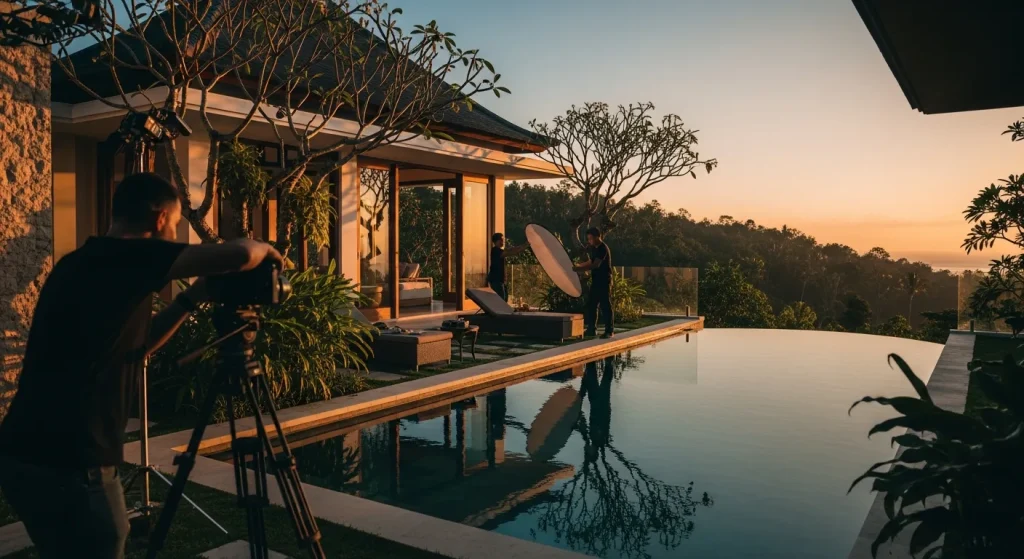
Investing in KEK Sanur by 2027 offers direct exposure to Indonesia’s strategic healthcare and wellness tourism growth. With an approximate Rp 10.2 trillion investment and projected strong double-digit growth in medical and wellness demand, the zone provides a robust environment for villa portfolio development, leveraging an expanding patient and visitor base.
How to Build a Profitable Villa Portfolio in KEK Sanur by 2027: Entry Costs, Yields, and Management Tips
As an investment analyst for Kek Sanur Investment, I routinely advise foreign and domestic investors on optimising their portfolios within Indonesia’s Special Economic Zones. KEK Sanur, designated for healthcare and wellness tourism, presents a compelling opportunity for villa portfolio development by 2027. This analysis outlines the market drivers, typical entry costs, potential yields, and essential management considerations for establishing a profitable presence.
1. Market Size & Growth: The KEK Sanur Advantage
KEK Sanur is one of Indonesia’s three most strategic Special Economic Zones for foreign investors, specifically focusing on healthcare and wellness tourism. The zone has a planned investment value around Rp 10.2 trillion (approximately USD 650–700 million) and a 2027 outlook of strong double-digit growth in medical and wellness tourism demand.
Scale of KEK Sanur Project
- Total planned land area: 41.26 ha.
- Total planned investment: Approximately Rp 10.2 trillion (public + private).
- Expected employment: 43,647 jobs when fully operational.
These figures underscore a substantial, government-backed development with significant capacity for attracting visitors requiring accommodation and ancillary services.
Indonesia Health & Wellness / Medical Tourism Context
KEK Sanur is nationally designated as a flagship zone for healthcare and wellness tourism. It is cited as one of three KEK most relevant for investors today, alongside Nongsa (digital) and Gresik (heavy industry). Indonesia’s health & wellness sector is among the fastest-growing consumer sectors, with an estimated Compound Annual Growth Rate (CAGR) of 10–15% in the mid-2020s.
By 2030, the Indonesian government targets repatriating 4–8% of Indonesians who currently go abroad for treatment, equivalent to 123,000–240,000 patients annually, to facilities in Sanur. This implies a high structural growth path over the 2026–2027 window as capacity ramps up, directly benefiting villa owners catering to these visitors and their families.
Macro / Bali Positioning
Bali is actively promoted as a global investment destination, with KEK Sanur highlighted as a new magnet for international investors, especially in medical tourism. Events such as the Bali Investment Challenge 2026 are explicitly showcasing KEK Sanur as a “success story” and priority project, indicating strong pipeline visibility and government backing.
In practical terms, for 2026–2027, investors are looking at a multi-billion-rupiah zone-level CAPEX program (largely committed) and a double-digit-growth addressable market in healthcare, wellness, and experiential travel feeding demand for hospitals, clinics, hotels, and ancillary services.
2. Typical Price Ranges (Investment & Product)
Public sources do not list per-sqm land prices or villa prices within the KEK Sanur zone itself, as much of the development is master-planned. However, we can infer approximate ranges based on comparable prime areas in Sanur and surrounding districts, adjusted for the KEK’s strategic advantages and infrastructure. These figures are indicative and subject to market fluctuations and specific property characteristics.
Land Investment
For prime, developable land in established Sanur areas, prices typically range from IDR 10 million to IDR 25 million per square meter. Within the KEK, given the integrated infrastructure and strategic focus, land values for long-term leasehold (Hak Guna Bangunan or HGB) or freehold (Hak Milik, often via nominee structures for foreign investors) could command a premium. Land plots suitable for a single villa typically start from 200 sqm to 500 sqm.
Villa Construction Costs
Construction costs vary significantly based on design, materials, and finish. For a high-quality, modern wellness-focused villa, expect costs ranging from IDR 8 million to IDR 15 million per square meter of built area. A 2-3 bedroom villa with a built area of 150-250 sqm would thus incur construction costs of IDR 1.2 billion to IDR 3.75 billion.
Total Entry Cost (Indicative)
Combining land acquisition/lease and construction, an investor can expect an initial outlay for a single villa in a prime location within or adjacent to KEK Sanur to range from approximately IDR 3 billion to IDR 8 billion (USD 190,000 to USD 500,000+), excluding furnishings and soft costs. For a portfolio, these costs multiply, allowing for economies of scale in construction and management.
3. Yields & Return on Investment
Yields in Sanur have historically been competitive, driven by consistent tourism. The KEK Sanur’s focus on medical and wellness tourism introduces a new, stable demand segment, potentially enhancing rental yields and occupancy rates, especially for properties designed to cater to longer stays or specific patient/family needs.
Rental Yields
Typical gross rental yields for well-managed villas in prime Sanur locations range from 8% to 12% annually. With the KEK Sanur’s projected growth and specialized demand, villas targeting medical tourists, their families, or wellness retreat participants could achieve yields at the higher end of this spectrum, potentially exceeding it in peak periods or with efficient dynamic pricing strategies. Net yields, after accounting for operational expenses, maintenance, and taxes, typically range from 5% to 9%.
Capital Appreciation
Property values in strategic zones like KEK Sanur are expected to appreciate due to ongoing infrastructure development, increased demand, and the zone’s national importance. Annual capital appreciation of 5% to 10% is a reasonable expectation in the medium term (3-5 years) for well-located and well-maintained properties. This appreciation, combined with rental income, forms the total return on investment.
4. Management Tips for a Profitable Portfolio
Effective management is crucial for maximising profitability, particularly within a specialised market like KEK Sanur. Investors should consider the following:
Targeted Design & Amenities
Design villas with wellness and medical tourism in mind. This includes features like accessible layouts, quiet zones, high-speed internet for telemedicine, comfortable bedding, and perhaps even small kitchenettes for longer stays. Proximity to medical facilities, green spaces, and wellness centres within KEK Sanur will be a significant advantage.
Professional Property Management
Engage a reputable, local property management company with experience in high-end rentals and an understanding of the specific needs of medical and wellness tourists. This includes services from booking and guest relations to maintenance, cleaning, and security. A good management team can optimise occupancy, rental rates, and guest satisfaction.
Dynamic Pricing Strategy
Implement a dynamic pricing model that adjusts rates based on demand, seasonality, KEK Sanur events, and specific medical/wellness facility occupancy. This ensures maximum revenue generation during peak times and competitive pricing during slower periods.
Marketing & Distribution
Leverage online travel agencies (OTAs), direct booking websites, and partnerships with local hospitals, clinics, and wellness centres within KEK Sanur. Targeted marketing to medical facilitators and international patient networks can secure consistent bookings.
Legal & Compliance
Ensure all property acquisitions and operations comply with Indonesian foreign investment laws. This includes understanding land titles (leasehold vs. freehold), tax obligations, and licensing requirements for rental properties. Consulting with legal and tax advisors specialising in Indonesian property investment is essential.
| Investment Component | Approximate Range (IDR) | Notes |
|---|---|---|
| Land (per sqm) | 10M – 25M | Prime Sanur/KEK-adjacent, indicative |
| Construction (per sqm built) | 8M – 15M | High-quality, wellness-focused |
| Total Entry Cost (200 sqm land, 150 sqm built villa) | 3B – 8B | Excluding furnishings, soft costs |
| Gross Rental Yield | 8% – 12% | Annual, potential for higher with specialisation |
| Net Rental Yield | 5% – 9% | After operating expenses, taxes |
| Capital Appreciation | 5% – 10% | Annual, medium-term for well-located assets |
5. 2027 Note
By 2027, the primary medical and wellness facilities within KEK Sanur are expected to be significantly operational, driving a substantial increase in patient and visitor traffic. This will directly translate to enhanced demand for high-quality, well-managed villa accommodation, solidifying the investment case for targeted properties.
6. Conclusion
Building a profitable villa portfolio in KEK Sanur by 2027 requires a strategic approach focused on the zone’s unique healthcare and wellness tourism mandate. By understanding the market dynamics, managing entry costs, and implementing professional operational strategies, investors can capitalise on the projected double-digit growth and secure substantial returns. The robust government backing and multi-billion-rupiah investment in KEK Sanur provide a stable and high-growth environment for property investors.
For a tailored investment strategy and further insights into property opportunities within KEK Sanur, you can book an investment consultation on WhatsApp with Kek Sanur Investment.